
Lectron Nexus Review
A No Nonsense Home Charger
Believe it or not, I’ve never had a Level 2 EV charger installed at my home even though I’ve been an EV owner for 7 years (5 exclusive) now. I just didn’t find a real need to throw one up on the wall when a mobile charger does pretty much the exact same job. When Lectron asked us to review their Nexus charging station, I thought it was the right time to stop being lazy and finally mount one up onto the wall. While the Nexus is a no-thrills offering, it’s also an easy plug and go offering that I think a lot of new and anxious electric car owners will appreciate.
RETAIL Price: $429.99
Disclaimer: Lectron sent us a unit free of charge to review, but all thoughts and opinions expressed in this review are our own and were not discussed with the company prior to publishing.
The Specs
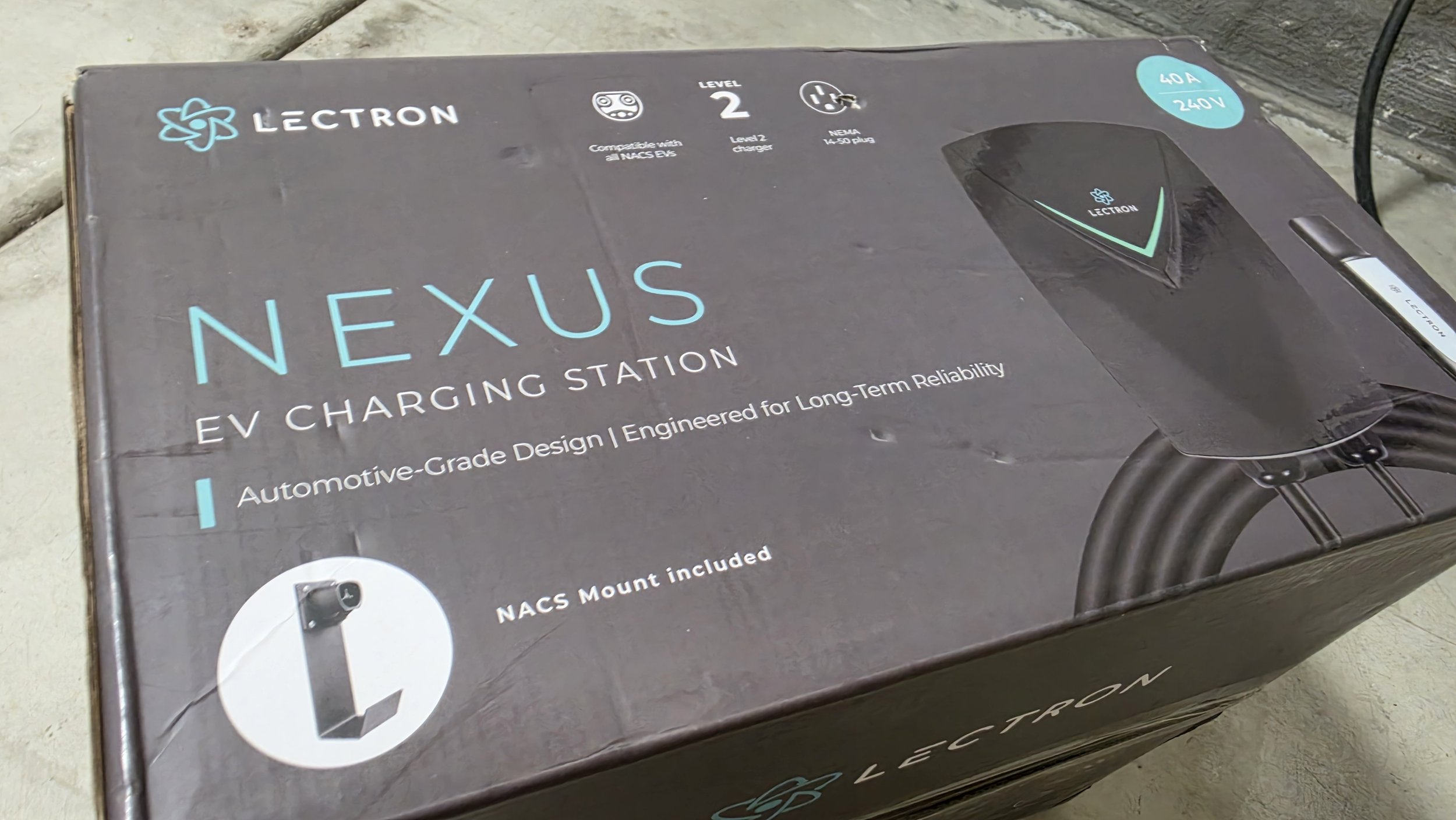
Lectron offers the Nexus in a couple of different configurations, allowing you to choose between hardwired or plug-in, and NACS (Tesla) or J1772 connectors.
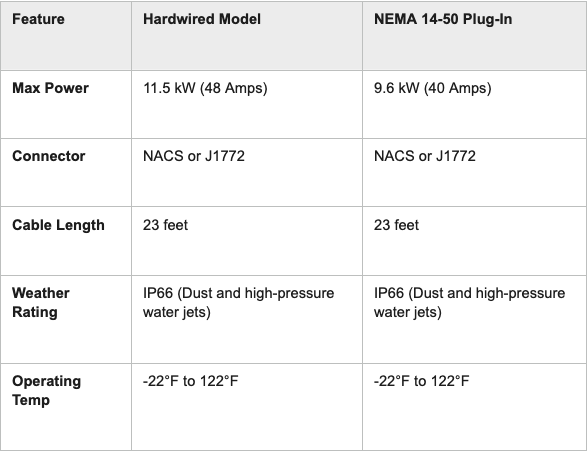
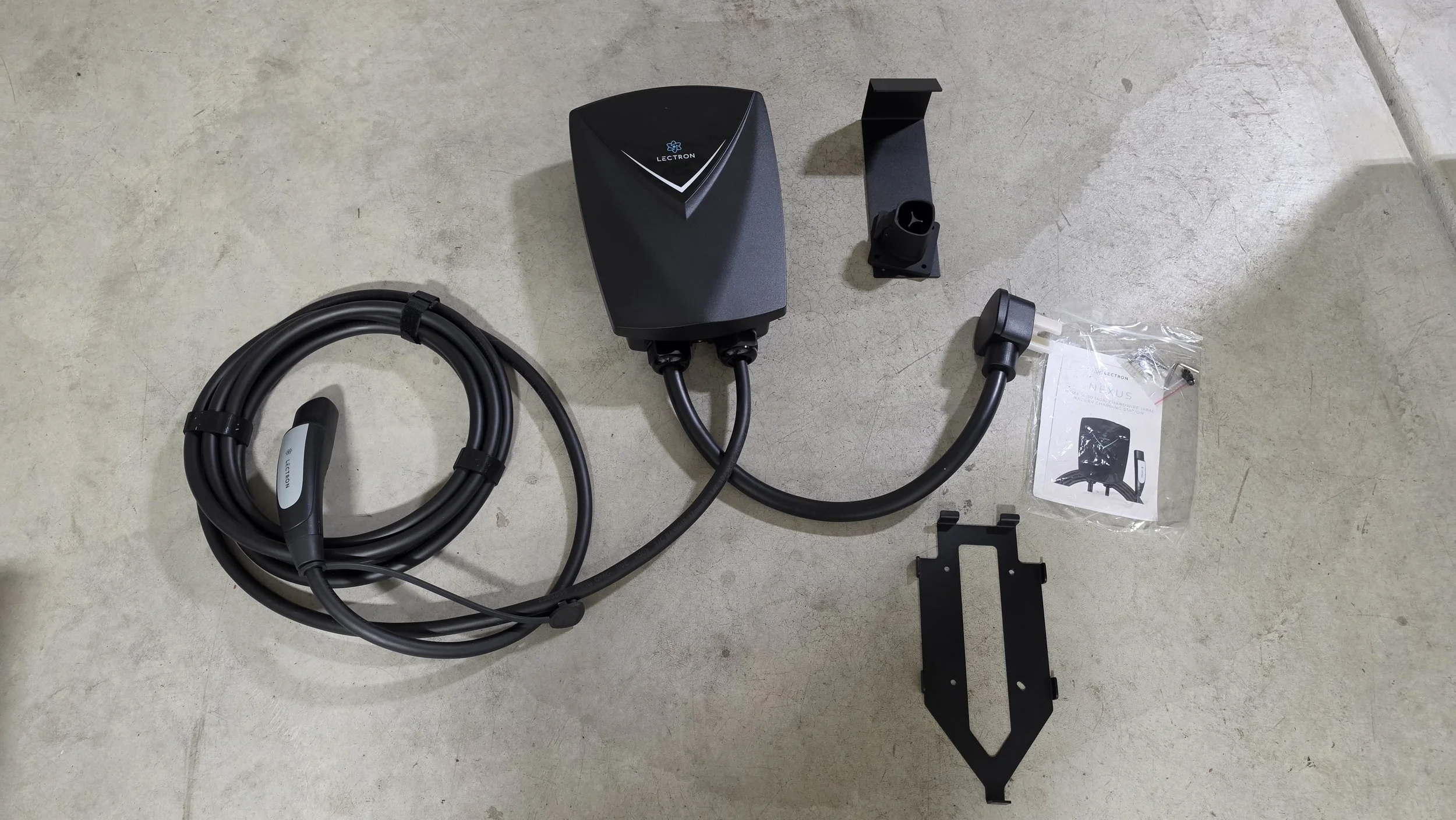
Let’s try to unpack some of the information here. Hardwired requires an electrician to get things running for you. However if you have a NEMA 14-50 Plug in the garage like most people do for their electric cars, the NEMA 14-50 model of the Nexus is a plug and play offering. It’s as easy as taking the unit out of the box, mounting the bracket to the wall through four screw holes, and then dropping the unit into it to lock into place. Naturally a direct hardwire will deliver more max power than through a cable as it caps at 48 Amps at 11.5 kW, while the plug-in version we have only reaches 40 Amps at 9.6 kW. For those who don’t speak EV terms, this is considered Fast Level 2 charging. It’s a significant step up from the standard wall outlet charging and the only viable way I recommend owners to charge with. I personally don’t find this to be that big of a difference in overall performance as the hardwired model charges up to 46 miles of range per hour compared to 38 miles on the plug-in. That 8 mile difference per hour is negligible as the intended use of home charge typically takes place overnight. There’s plenty of time for a vehicle to reach its set charging limits while the owner is sleeping. That’s the beauty and benefit of owning an EV after all. Keep in mind a big portion of the overnight daily charges do not occur with a completely depleted battery. You’re often charging when the battery is at 40-60% and stopping at 80-90% for optimization of the battery life. When you hear people say “it fully charged my car really in under X amount of time” the statement doesn’t address all of the variables that come with it. A hardwired setup is likely only beneficial if your daily commute fully depletes your range daily and you are charging close to 100% each night. That’s a lot of driving and I’m not envious of you if that’s the case.
Safety First
This charger is UL 2594, UL 2231, UL 2251 & UL 817 SAFETY CERTIFIED (ETL LISTED)
On top of choosing whether you want a hardwired or NEMA option, you also have to choose the connector configuration. That’s the nozzle head that goes into the port of your vehicle. We got the NACS configuration which is what I would recommend if you’re looking to future proof your setup. NACS, or commonly known as the Tesla plug, has become the universal standard for American electric vehicles, and most if not all new EV’s released in the last two years should have that port.
The J1772 is a bit outdated in terms of uniformity, but many of us are still stuck with that on our cars. Unlike other forms of technology, we don’t have a quick turnaround with our vehicles. My Kia EV9 from 2024 was the last model year before the switch to NACS. I’m stuck with J1772 and I’m not going to sell my car at a depreciated cost to get a new EV9 with NACS. It doesn’t work like that. If you only have a car with J1772 as its port and don’t intend to get another EV for a long time, you do have the option to purchase a J1772 Nexus.
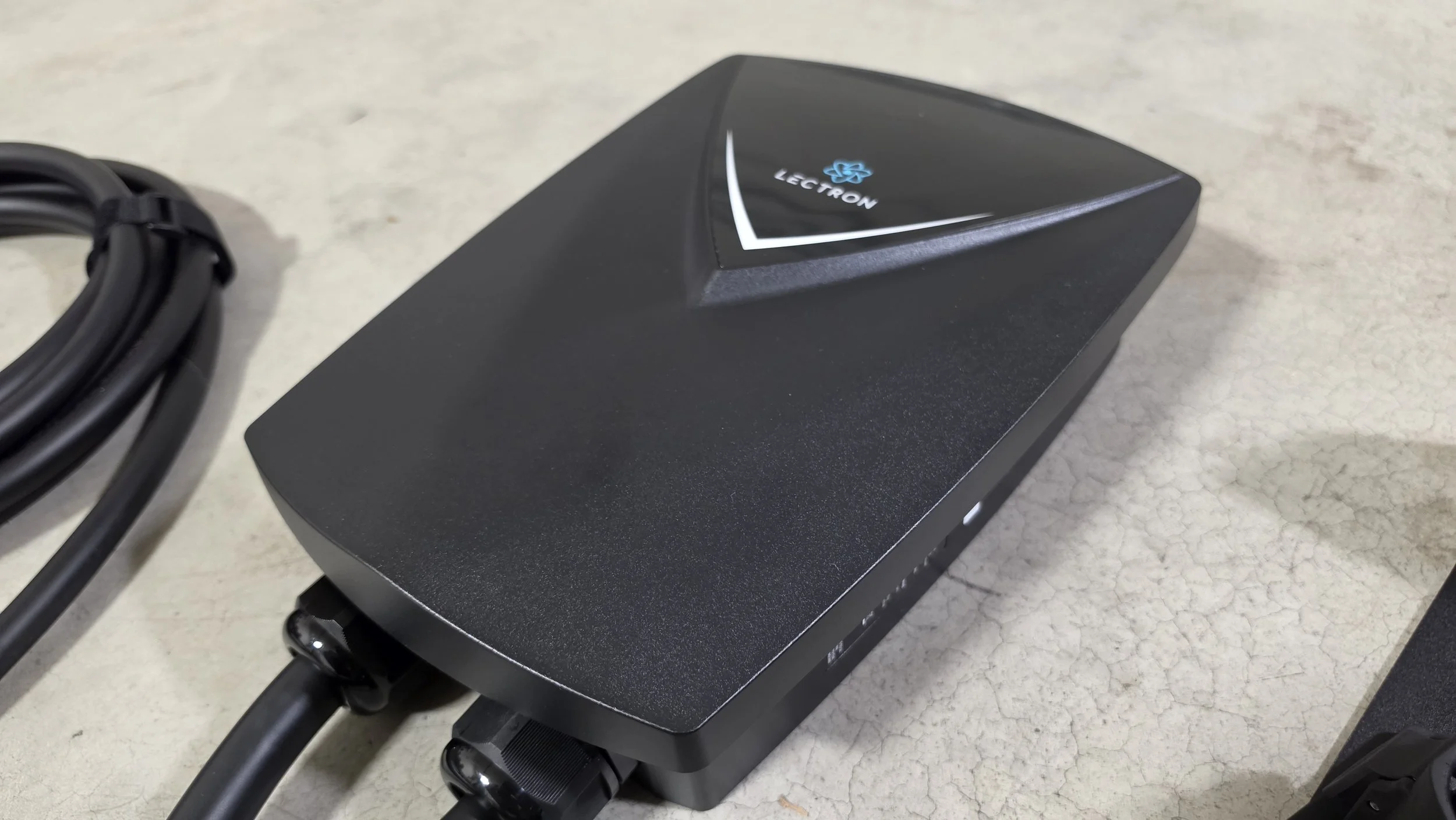
The Nexus charging station is available in multiple options
The other option you can do and which I currently am running is to use an adapter with an NACS Nexus. I have a small NACS to J1772 adapter that I easily snap onto the NACS nozzle from the Nexus to plug into my EV9. It charges instantly as if it were a natural fit.
I’ve also run both my Tesla Model 3 and the Kia EV9 with their onboard scheduled charging schedules while plugged into the Nexus and they went off without a hitch. I mentioned earlier that this is a no thrills offering and I mean that. There’s no Wi-Fi or app integration with the Nexus like some other home charging solutions. You can’t program the box to do scheduled charging, nor can you actually see how much Amps and kW it is emitting through the product itself. In all honesty I think those functions are not required in modern home chargers. I can’t guarantee this statement is true, but I believe all new electric cars releasing in 2026 have built-in charging data as well as onboard charging schedules. Maybe the blank Slate doesn’t? But the point is that if you are looking to buy a Nexus right now, you likely have a newer electric vehicle you purchased recently and your car is much smarter than you think. There’s no need for your charging box to double up on that function. If you have an older EV that doesn’t have onboard scheduling, then the Nexus might not be the right option.


Design and Build Quality
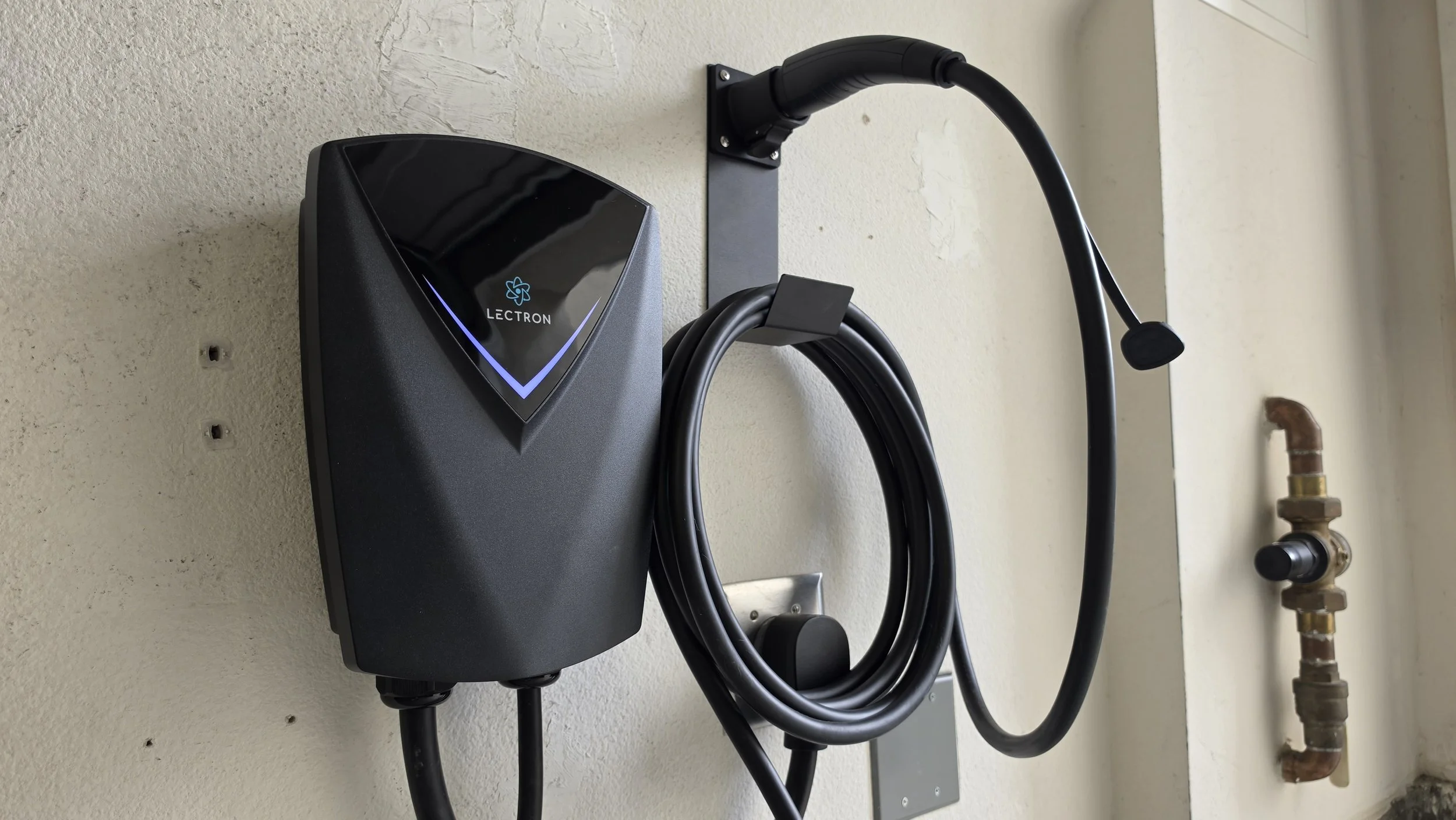
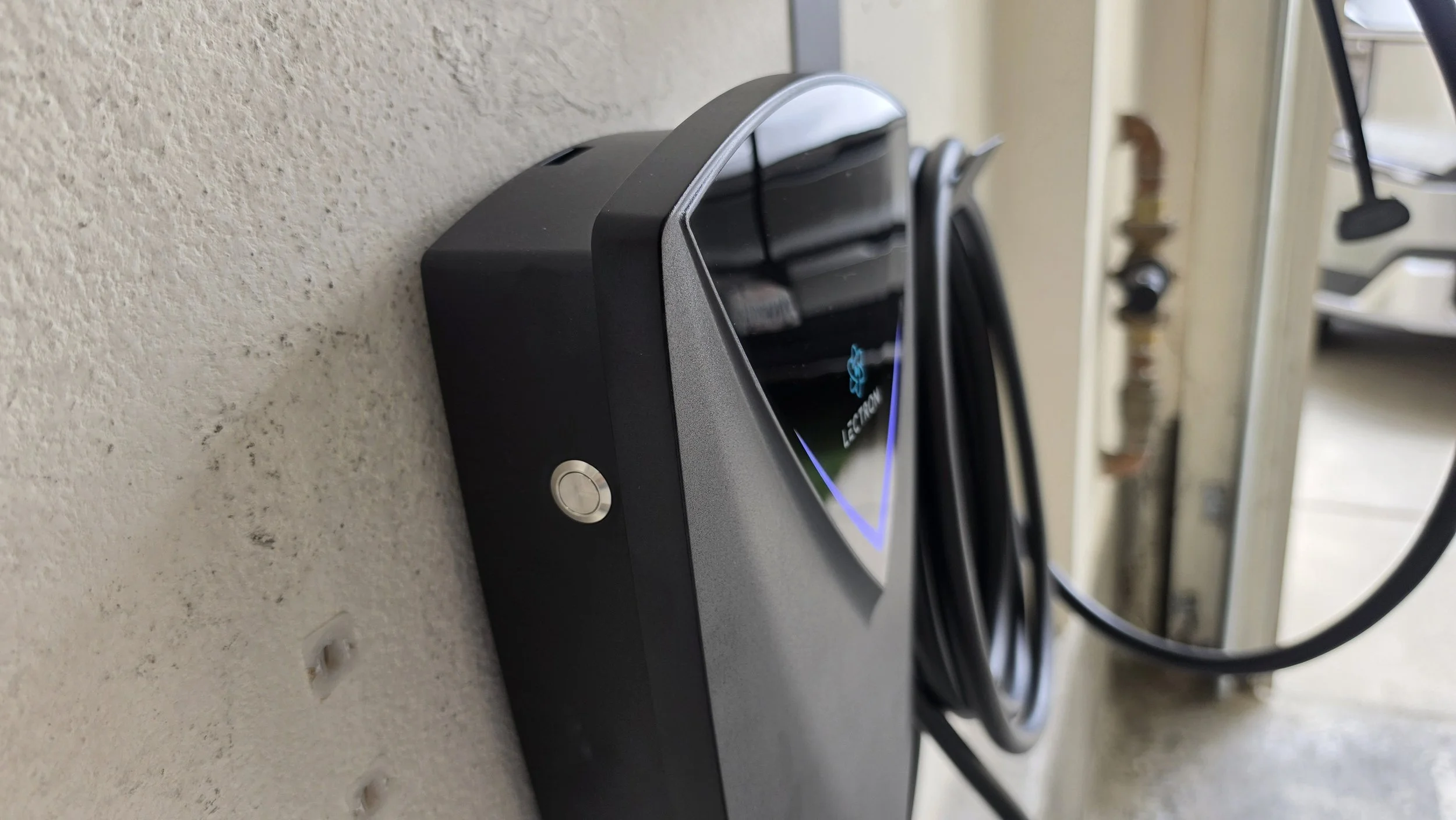
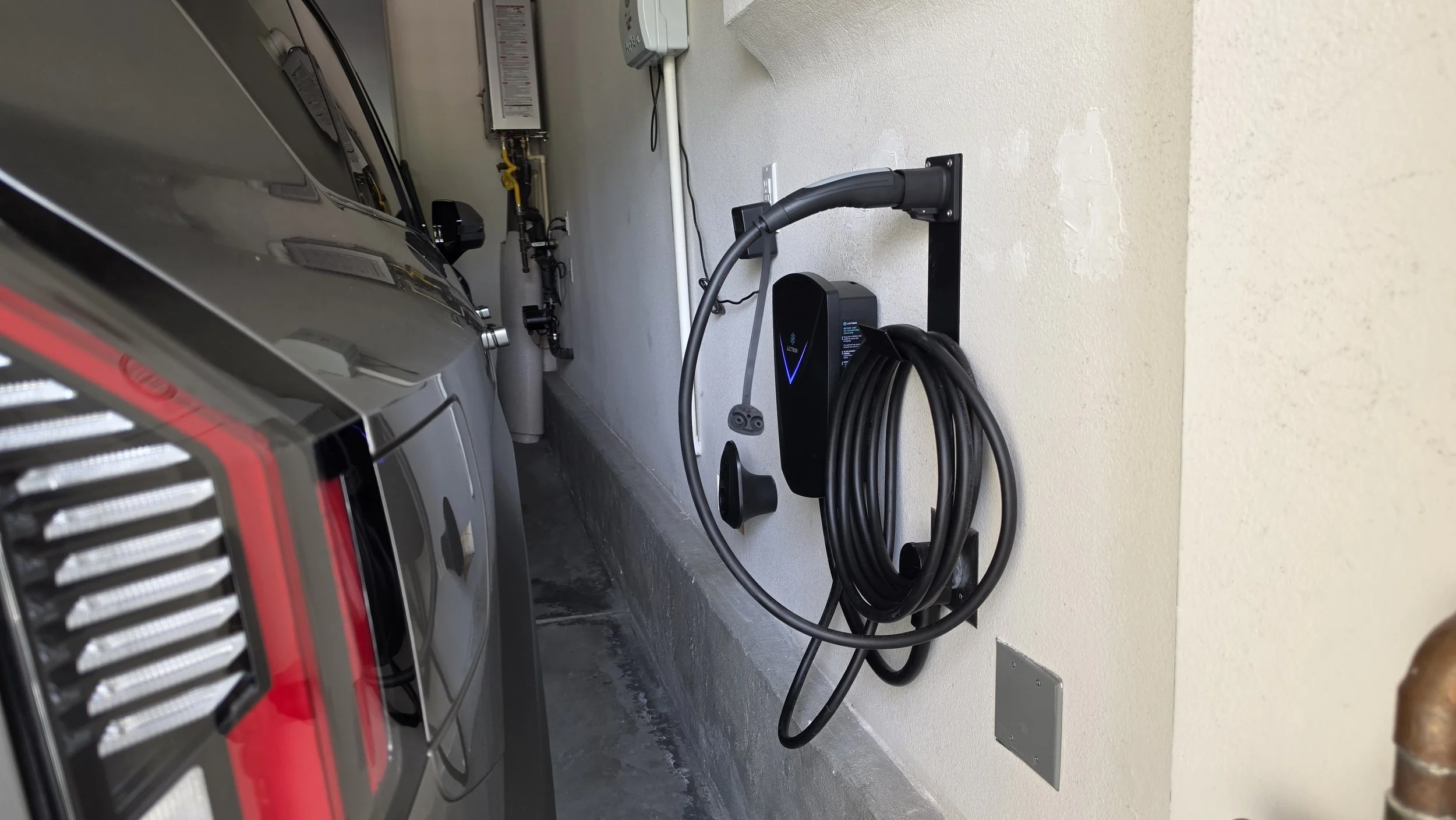
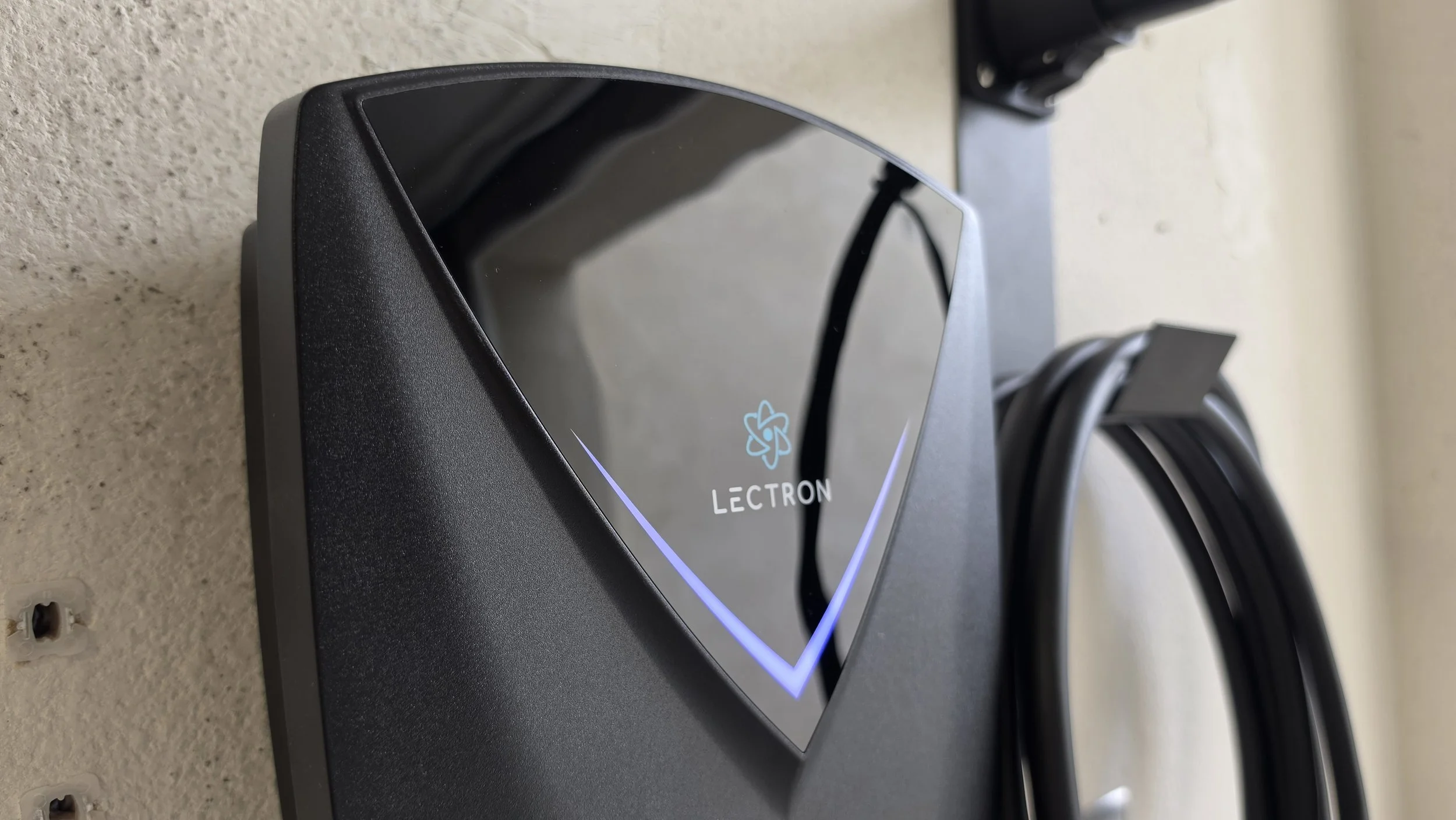
When it comes to these home chargers, a lot of them place the design and look of the unit in the back burner. Aside from Tesla’s offering and a few third-party offerings, I’d say aesthetics is not a relied upon need for the garage with these things. Yet here with the Nexus, I actually find the look of it to be quite comely. Decked in a black box with curved corners and edges, the Nexus has decent visual appeal on the wall of my garage. It’s not too heavy of a unit which is directly correlated to the material Lectron used to build the charging box. Lectron says it is automotive-grade and fully sealed for IP66-rated protection against dust, rain, and some environmental conditions. The entire case is made out of plastic materials and while it does look clean from a distance, I don’t think it’ll remain clean from debris and wear from the environment if placed outside. The black plastic casing isn’t smooth, which helps hide the cheap feeling the charger emits. There’s no digital displays or any sort of screens on the unit thus supporting the minimalist appearance. In fact there’s only one single reset button on the entire unit. It's located on the left frame of the Nexus.
Across every Nexus configuration, Lectron includes a 23-foot cable, which serves as a significant quality-of-life benefit. For those managing a multi-EV garage, having this much slack means you can avoid the annoying shuffle of swapping parking spots just to get the connector to your vehicle's port. I am able to plug in my second vehicle as long as I orient the car to where the charging port lines up in the direction of the Nexus. The cable does feel durable and is in an optimal thickness that I prefer. Some EV charging cables are way too thick, while others like the Tesla mobile charging cable are a bit too stiff and thin that it gets twisted easily.
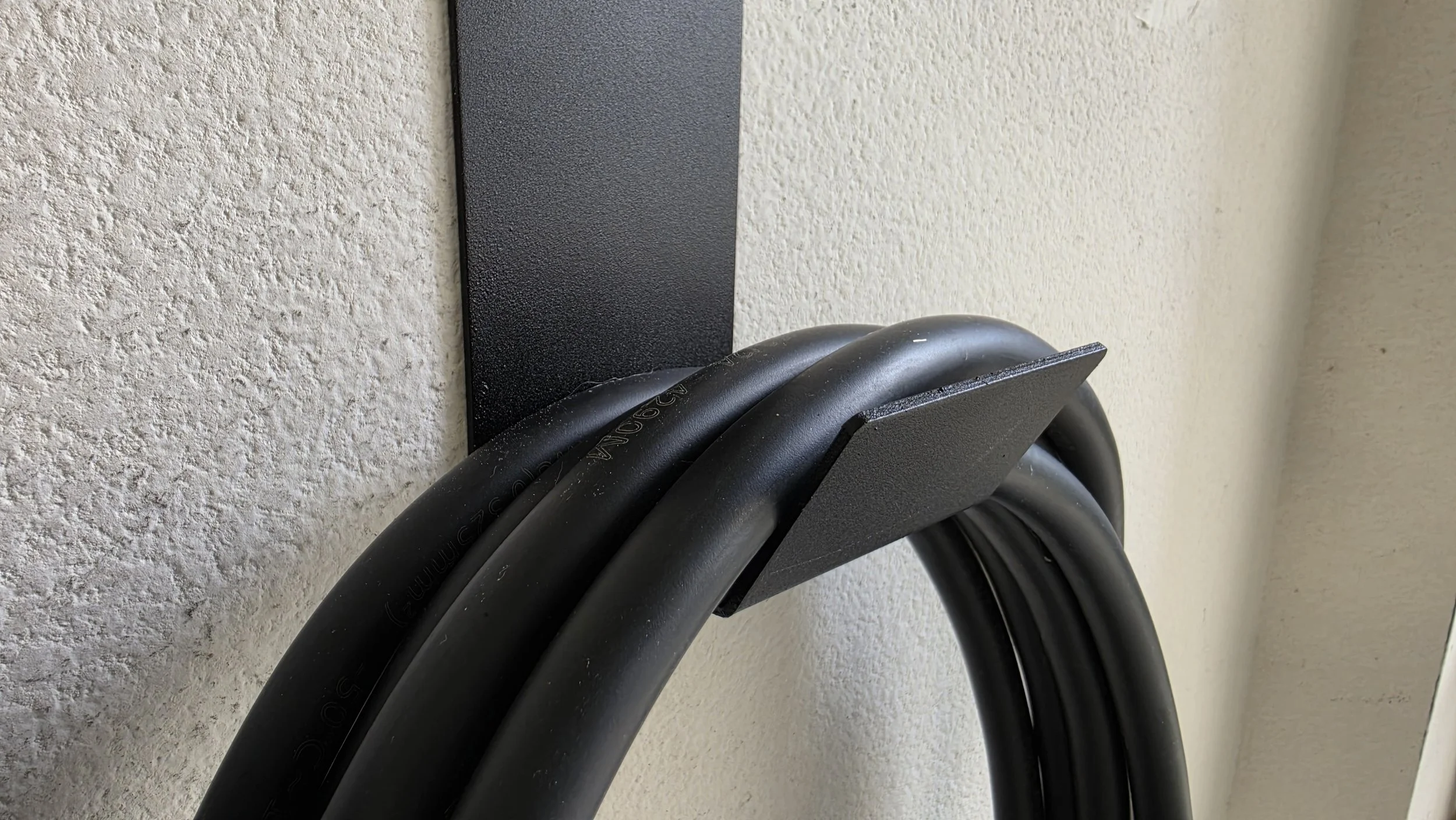
When I first saw the integrated holster that comes with the Nexus, I wasn’t a big fan of its design. I had a couple wall mounted cable storage holsters for various EV cables over the years and have my own preferences to the storing methods. However, after installing it and giving it a chance, I do think it’s a solid add-on for the product. The holster sits atop an L-bracket where the cable has plenty of resting room to be coiled neatly under it. There’s breathing room for everything and it just looks clean on the wall.
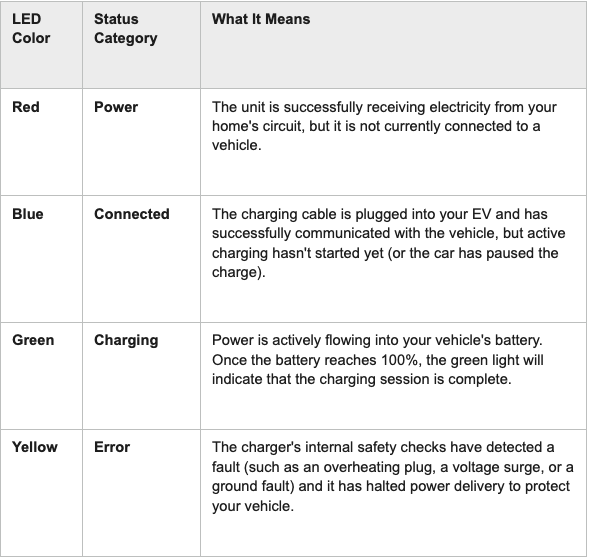
While the box does hold safety certifications for built-in protection against overheating, overcurrent, voltage faults, and ground faults, the box itself along with the cable did feel warm to touch after completion of a charging session. Lectron does throw in an LED strip in the form of a V shape under the logo that helps owners identify what the unit is doing. It lights up either green, yellow, red, or blue.
final thoughts
Lectron isn't attempting to dazzle anyone with the Nexus by including unnecessary touchscreens or complicated software integrations. This is a station that doubles down on the fundamentals and looks. There are a lot of third-party home charging options on the market and Lectron has the Nexus priced at close to the upper-end echelon. Without an app that controls the unit, I do find the Nexus at its MSRP to be a bit overpriced when compared to the competition.
It isn’t the most compact unit on the market, it charges as well as the other level 2 options out there give or take, and it isn’t necessarily the best looking design either. What it does provide buyers with is a name brand that I do associate with quality products when it comes to electric vehicle products in Lectron. It’s a little too early for me to discuss long term reliability with the Nexus as I’ve only had it in my garage for a month or so, but my other Lectron products have held up well years into their life cycle so I’m banking on more of the same. I think that really is the main selling point for the Nexus: it’s a solid offering that does its job, but you’re paying a little more for the Lectron reputation. When it comes to the electrical safety of your home and your vehicle, that might be the right choice over a no-name brand on Amazon.
We are a participant in the Amazon Services LLC Associates Program, an affiliate advertising program designed to provide a means for us to earn fees and support our channel by linking to Amazon.com and affiliated sites.
This home charging station from Lectron doesn’t beat around the bush. It just charges your EV reliably.