
Google Pixel 11 Pro Review
The complacency Pixel
Here at Sypnotix, we are celebrating a decade of reviewing gadgets, and it takes a lot to genuinely surprise us these days in the smartphone game. The Google Pixel 11 Pro doesn’t rewrite the smartphone playbook, but it polishes Google's vision of an AI-first device into something incredibly capable. It’s an easy-to-handle, pocketable flagship that doubles down on software smarts—even if it comes with a noticeable price hike. Almost exactly like what I said about the Pixel 10 Pro, the 11 Pro is such an easy phone to pick up and use as a partner in your everyday life that you grow bored of it quickly. Physically and even internally, the year to year evolution of the Pixel line has all but slowed down to a halt. As Google continues pushing their Gemini agenda while leaving behind the days of significant progressive design changes, is the Pixel 11 Pro still intriguing at all?
Retail Price: $1,099
Design and Build
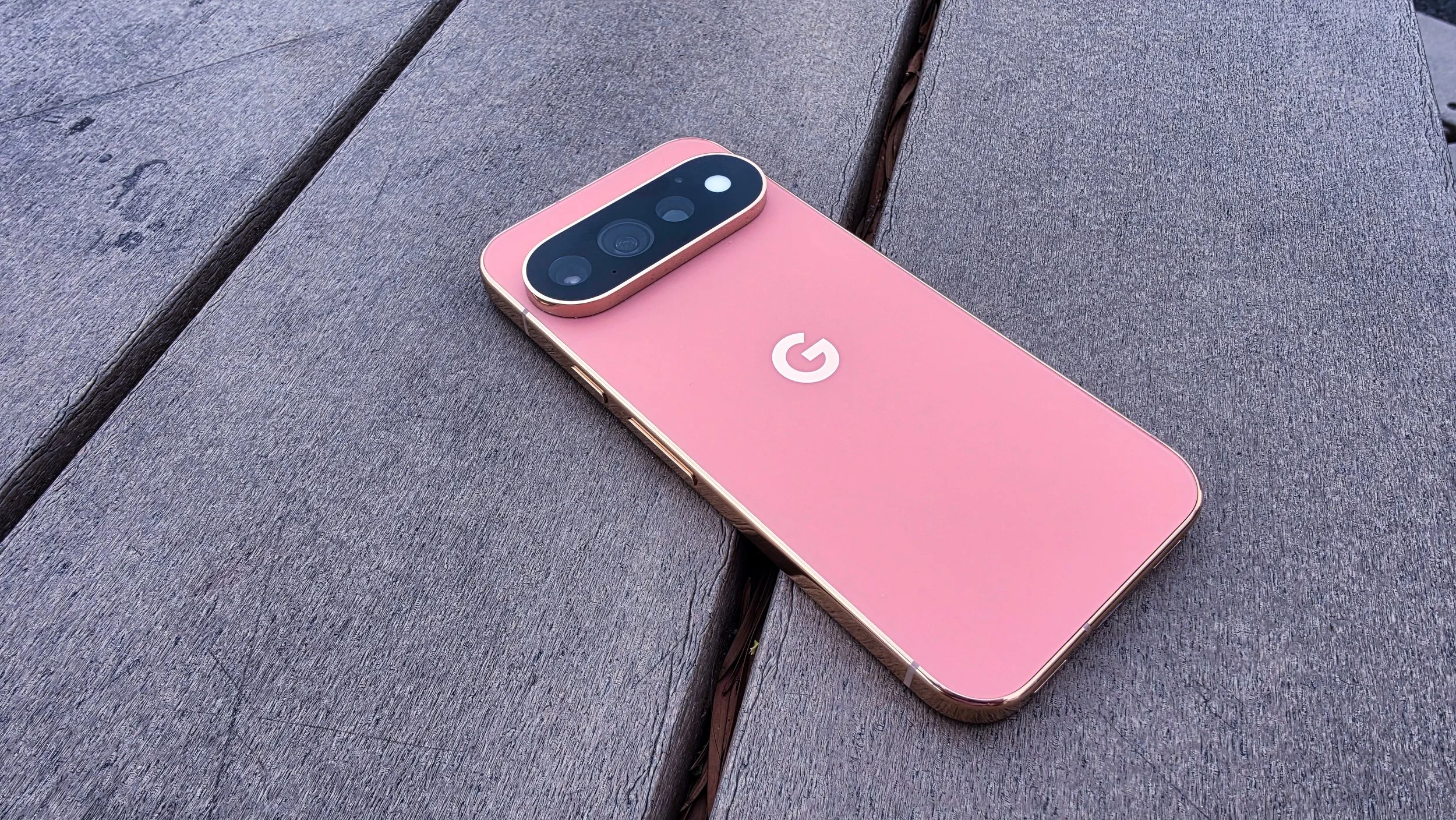
On the surface, the Pixel 11 Pro is a dead ringer for last year's model, sticking with the comfortable rounded edges and flat rear glass that feel so natural in the hand. That said, Google still managed to tuck in a couple of discreet, hardware adjustments. The first slight tweak is the horizontal rear camera bar that now has an all-glass design. If you didn’t look into it, you’ll have a hard time remembering Google used a mix of glass and metal in previous Pixel Pros. There’s no real benefit or detractor from this material change that I can discern from using the phone everyday.
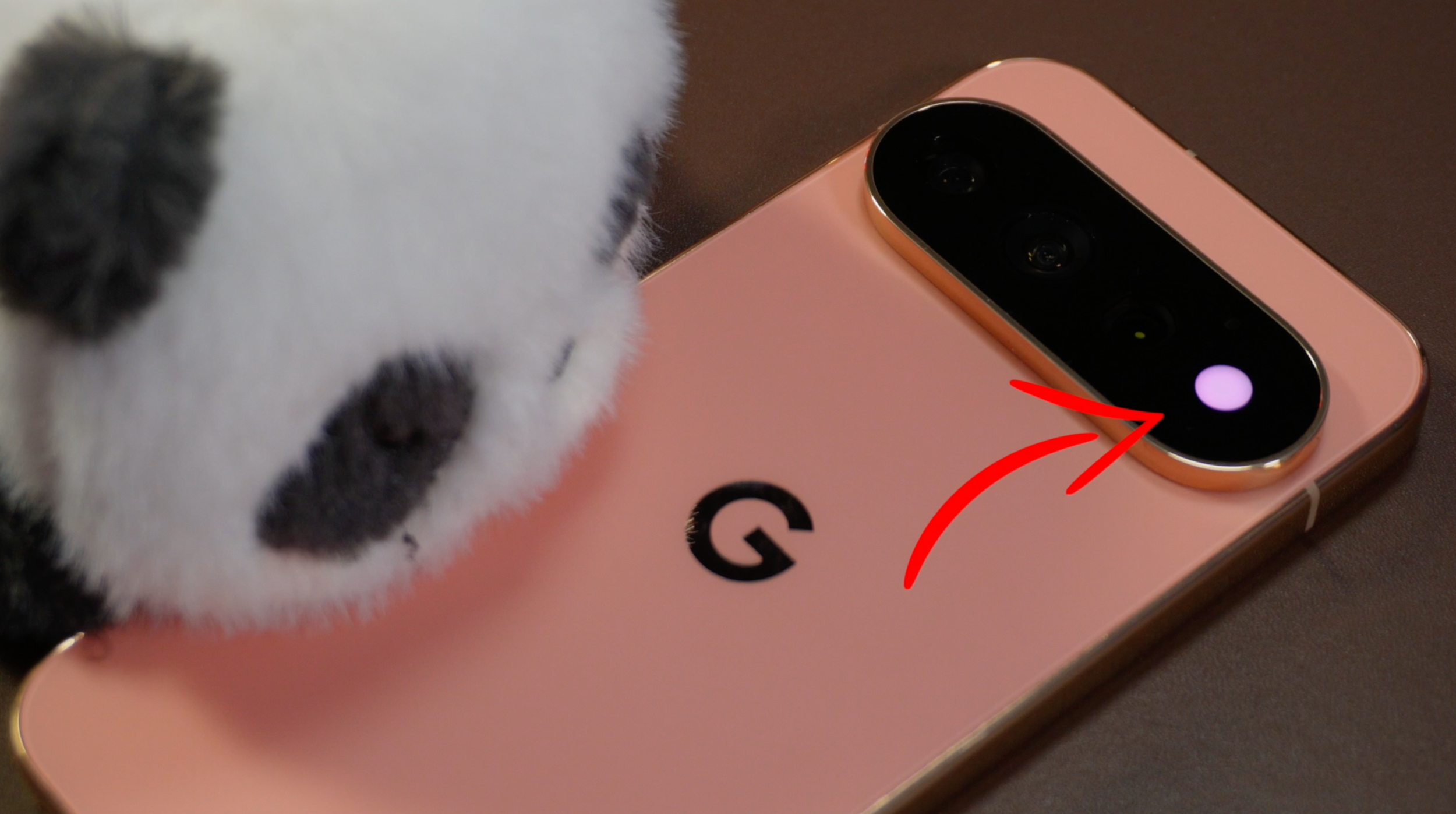
The big new hardware addition this year is… a notification light
The big hardware addition that Google has touted in their marketing campaigns this year is this new notification light called “HiLight” that replaces the old temperature sensor that took the spot in previous phones. That sure sounds familiar as Google is notorious for throwing things on their devices and quickly killing them off instead of refining them. Does anyone remember squeezing the frame? It swirls with different colors that you can pre-set when you interact with Gemini or receive a call from a favorite contact while the phone is face down. I can’t believe we’re using a notification LED as a selling point for a phone in 2026. There was a time in smartphone history where notification LEDs were desirable on Android. But like setting up a unique ringtone, modern societal use of smartphones no longer view these things as optimal for everyday life. Smartwatches and fitness trackers fill in the responsibilities of determining whether a notification is worthy of your attention. We don’t need a notification LED with distinct colors that we would have to memorize and correlate the meaning of the color to get information through to us. This is a ridiculously outdated method of communication from the smartphone to the user that should have stayed in the legacy vaults. In fact, the HiLight LED doesn’t even function in a supportive way as it is right now. There’s barely any practical utility to this LED. It’s also only viewable when the phone’s screen is face down. You’re going to have to flip the phone over anyway if you want to actually pick up the call with the person the light is connected to, so how much time are you really saving in deciding whether to flip the phone or not by deciphering the color of the LED on the back of the phone? It’s just nonsense. At least with the temperature sensor, it added a functional use that might be useful somewhere. It wasn’t super accurate, but I applaud that potential application of additional hardware merging into an all-purpose handheld device like a smartphone. No matter how Google or any of their influencers spin it, there’s no additional benefit or quality of life improvement through this HiLight LED.
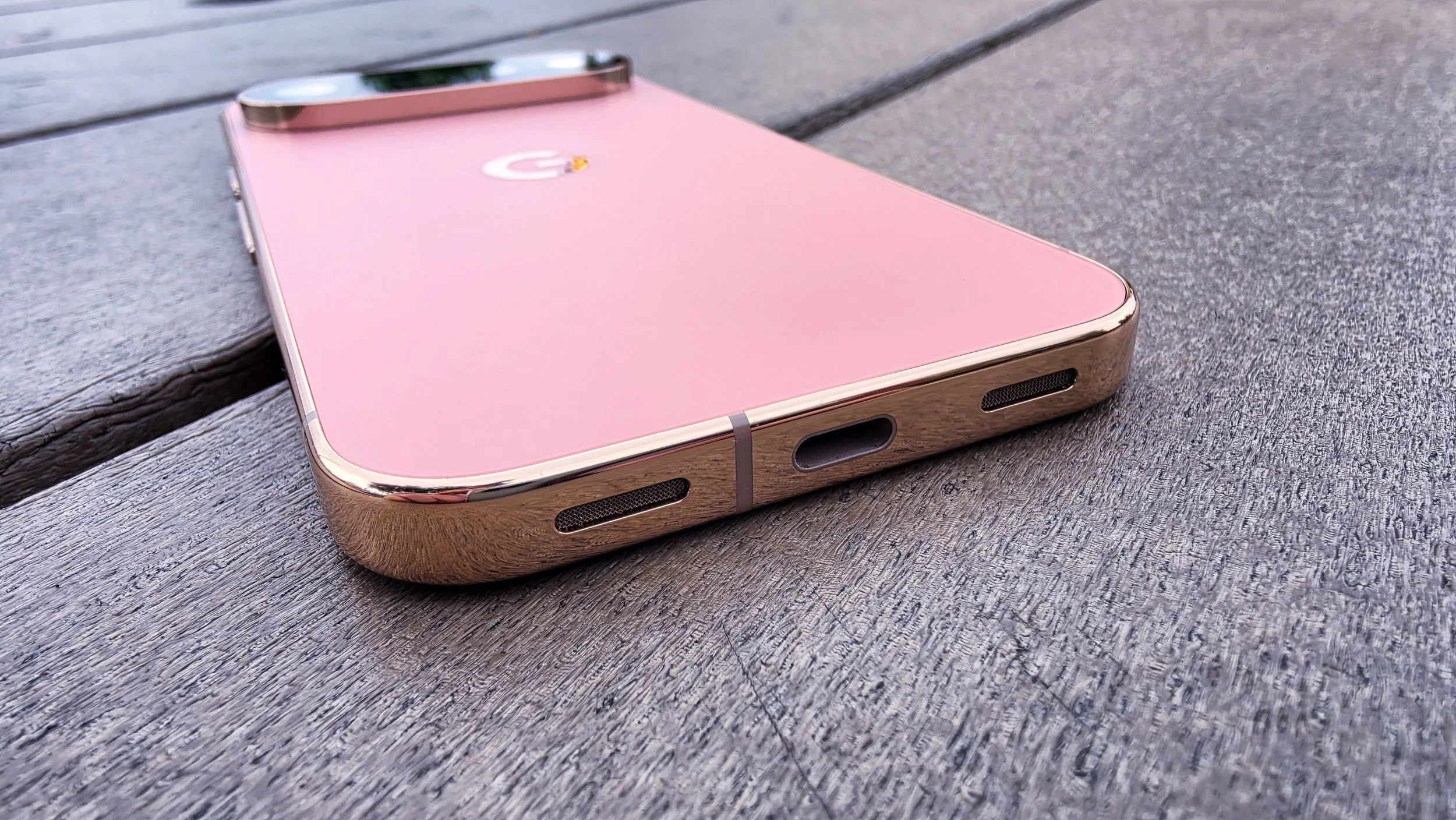
The third hardware change is that the Pixel 11 Pro supports Qi2 magnetic wireless charging. You can tell from this limited list of additions that this is an extremely minor iteration year for the Pixel Pro. When your major hardware addition for the year is a notification LED on the back of the phone that you won’t even see 95% of the time, you know the hype is non-existent.
That is genuinely how it feels to be a Pixel 11 Pro owner. There’s no real excitement popping that box open and pulling out a new Pixel phone. I personally still daily drive this phone because I find it comfortable to hold due to the relatively smaller size and shape when compared to how large other phones have become, but that familiarity has really become one of the only reasons I stick with this line as my daily driver.
-
6.3 inch 1280 × 2856p OLED display
120 Hz Refresh Rate
Android 17
Google Tensor G6
12 GB ram
256 GB of storage
4,850 mAh battery
50 MP, f/1.7 Wide
48 MP, f/2.8 Periscope Telephoto
48 MP, f/1.7 Ultrawide
the Gemini Era
Fortunately, the Pixel 11 Pro is still a terrific smartphone that I still classify as an all-around contender in the space. It won’t blow you away in any of the traditional categories, but it integrates everything together into one clean Android experience probably better than any other OEM right now in my opinion. That should be the case as Google should define what an Android experience should be, but that isn’t always the case. The last two iterations of the Pixel Pros have been consistent day-to-day operators where UI to app usage feels snappy and fluent. It’s still not on an iOS level of fluidness in terms of system design and transitions, but it’s in the ballpark now for me.
What’s there to really say about the new Tensor G6 chip? Does it really fly like a G6? Google says it’s 25% faster web browsing and 15% quicker loading apps than the G5 in the Pixel 10 Pro. If you aren’t benchmarking and hawkeyeing your screen next to its previous model, you’re likely not going to notice much performance difference in everyday use. It’s not going to light up the gaming scene as there are other phones to consider on the market for those purposes, but it’s definitely not as bad as internet discourse makes it seem. The base model I have has 12 GB of ram and 256 GB of storage to support the Tensor G6. The Pixel 11 Pro is a flagship phone regardless of what you believe the benchmark metrics should place the goalpost. I dictate that thought by overall experience. A flagship device should feel and react a step above the rest. This phone does that. It’s not a budget nor a mid-tier offering. Whether you believe it’s worth its MSRP is a different story, but the Pixel 11 Pro is extremely capable and shouldn’t be discounted for the ability it does provide.
Gemini is everywhere on Pixels and although I’m not the biggest AI enthusiast, I have found myself softening that stance with a Google phone. It is pretty easy to see Gemini AI’s handprints everywhere you touch on the phone. Whether you’re texting a message, or using the microphone to transcribe a call, Gemini just effortlessly strips away filler words and rambling to make a coherent message that’s ready to send or email. That’s just one casual example of something I personally liked seeing. Another is how Gemini can read and give you essentially sparknotes of emails and other workflows in a natural manner that doesn’t pull you away from the aesthetically designed language of the app you’re in. I do like the system level of this Gemini integration if you decide to use it. You can just disable it all too if privacy is what matters most to you.
The 6.3-inch OLED screen remains a solid viewing choice for those who want flagship specs in a smaller form factor. It features a 1-120Hz variable refresh rate, ensuring perfectly smooth scrolling of content. It gets slightly brighter than the previous generation, but like everything I’m reporting for this phone– it’s just alright. It’s not noticeably a better experience than the 10 Pro. Google also claims the display features a new coating built over the Gorilla Glass Victus 2 that is twice as scratch-resistant as previous generations.
The last thing about performance that I wanted to touch on was the switch to a MediaTek M90 modem for the 11 Pro. From my experience in my location, my signal stability wasn’t much different than what I’ve seen on the other phones I’ve used this year. At least it wasn’t significantly better or worse one way or the other where I would make note of it. The 11 Pro also hasn’t suffered from heat issues from my workload which has left me quite happy to hold in my hand.
Fast Charging
The Pixel 11 Pro has 30W wired speeds, 25W wireless (magnetic) charging
Cameras
The primary reason anyone picks up a Pixel is undoubtedly for its imaging capabilities, and the 11 Pro’s trio of rear sensors—headlined by a 50MP primary shooter alongside a 48MP ultrawide and a 48MP, 5x optical telephoto lens—routinely churns out impressively reliable quality photos. Yet, like the theme of this year’s review, the hardware has stalled and the software is the main focus from the search giant. We’ve come to live with photo software features on a Pixel phone for many versions now. Night Sight is a staple of a Pixel phone and they don’t need long processing times anymore. I’ve said many things on this phone don’t have noticeable differences from previous years, but Night Sight pictures do have a noticeably faster processing speed. It’s almost instant– which is a great tool when you’re actually taking pictures outside in the dark.
I don’t see a significant jump in photo quality between this phone and the 10 Pro, but the images are still fine nonetheless. I’m happy with 95% of the photos I capture naturally and the 5% that I didn’t capture the way I intended, all of these photo editing AI features from Google Photos actually does make it pretty easy to get it the way I intended. Magic Eraser isn’t even a gimmick anymore, it's a part of the photo taking experience if you’re in the Google ecosystem. I don’t know anymore if I can say the Pixel 11 Pro gives the best photo taking experience on smartphones, but it doesn’t have to. It’s an elite option regardless.










Shot on Google Pixel 11 Pro
Battery Life
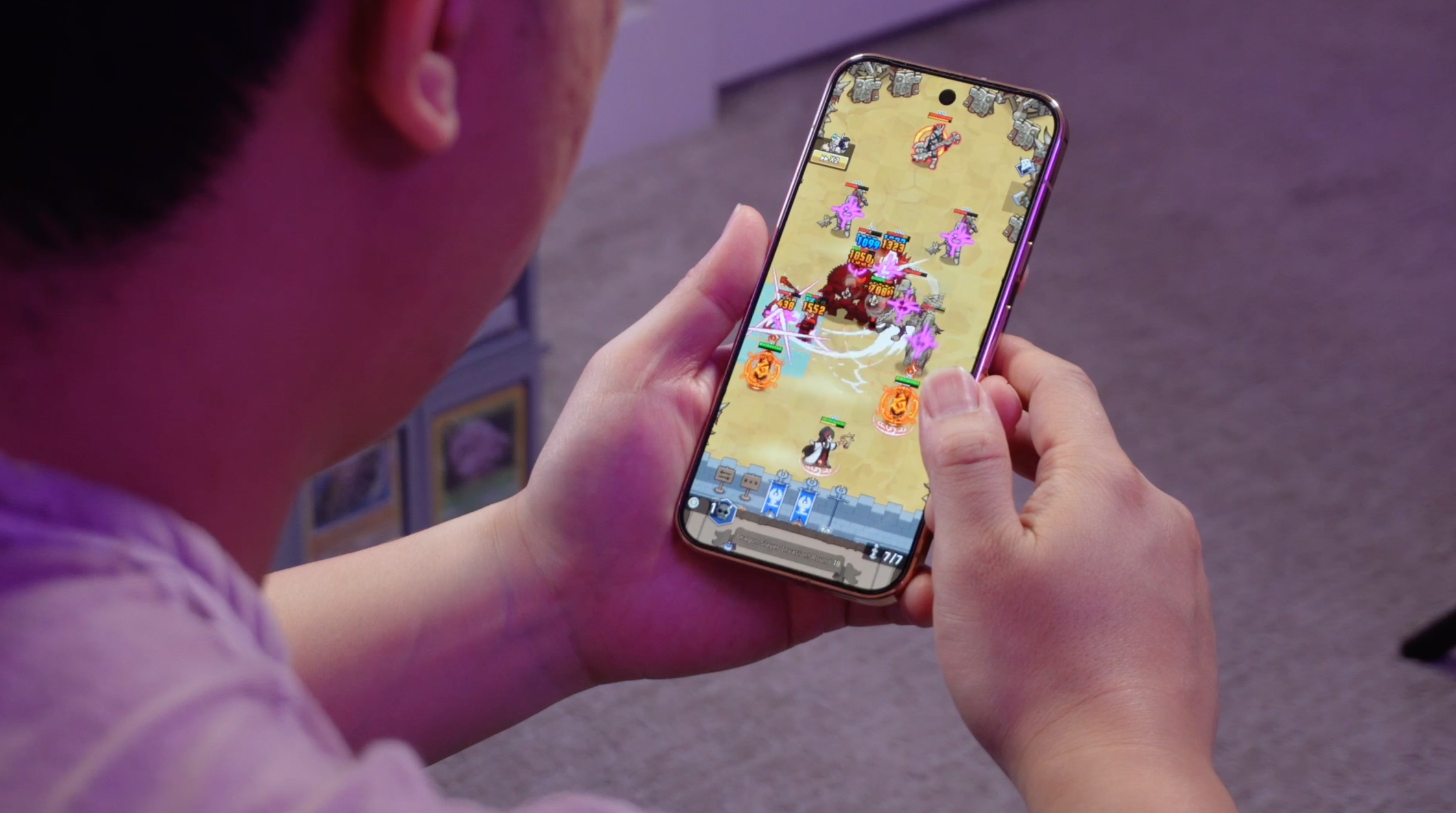
The Pixel 11 Pro on a normal business day will stay alive for the entire workday. The 4850 mAh battery isn’t a lot to hold you over if you’re a big power user, but for the average user, it will get anywhere from 12-16 hours reliably. I’ve ranged from 5 to 7 hours of screen on time after picking up a new mobile game that I just can’t seem to put down. Before that when I was trying to live as a responsible working adult, I was able to get a day and a half out of the Pixel 11 Pro without gaming on it. I’m not disappointed in it per se, but the phone isn’t super thin or anything and the capacity is actually lower than on the 10 Pro. I get the world’s supply chain is in shambles, but this is more of the same complacency here.


Final Thoughts
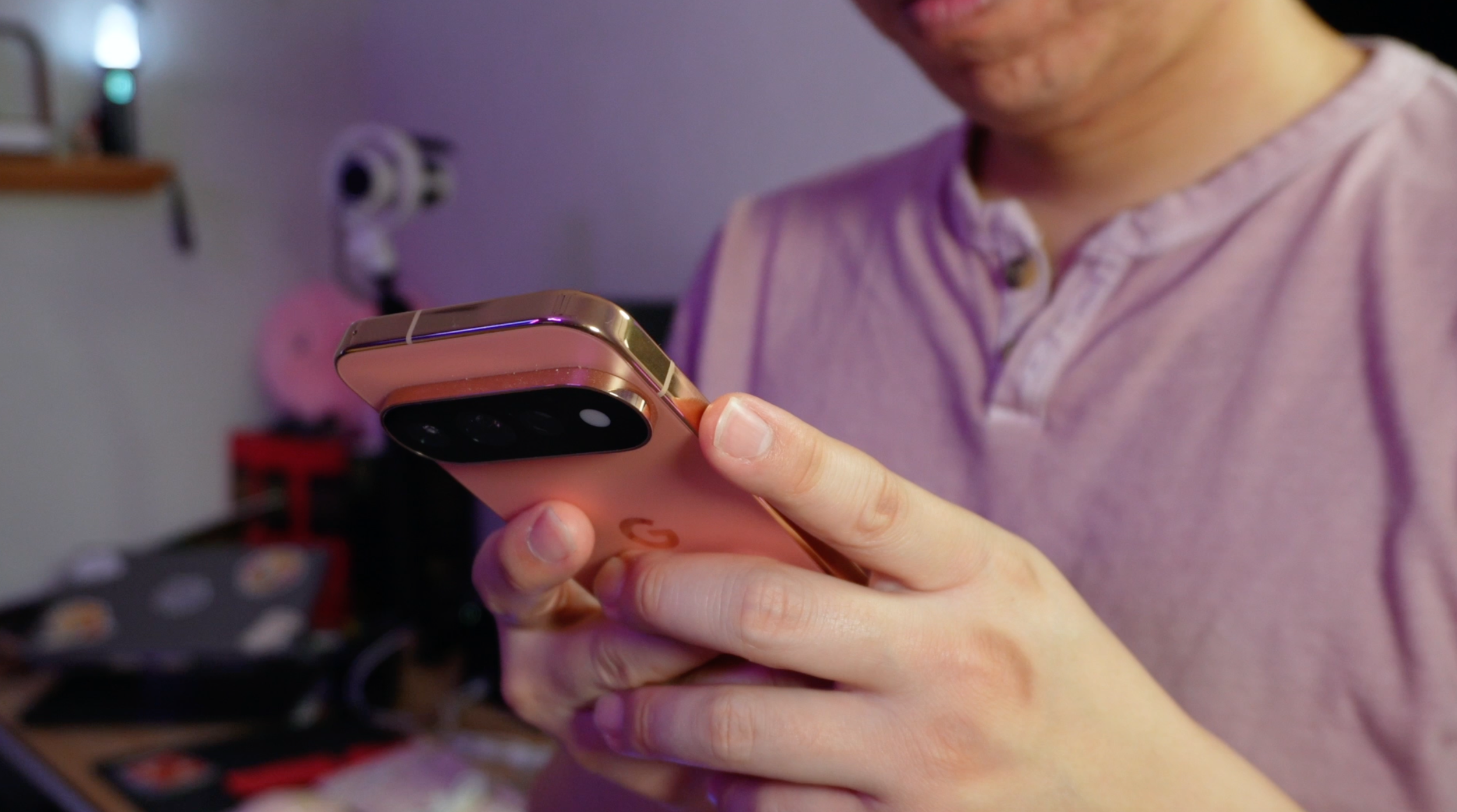
While the Pixel 11 Pro is a terrific phone that I still believe will serve just about anybody in the world perfectly fine– like many other slab phones on the market right now, it just isn’t thrilling to think about. It lives in your pocket, and unlike say the Samsung Galaxy Z Fold8 or the Apple iPhone Duo, you don’t really feel much of a desire to just slow down and enjoy the device in your hand. This is a slab phone that seems to be near its endgame and Google themselves have not shown much interest in improving or modifying the overall user experience of the hardware. If you’re not invested in the AI mindset of technology going forward, then there’s not much that the Pixel phones will bring to the table for you anymore.
Still, I prefer Google’s size and shape for this particular phone as it has a mere shred of semblance to compact phones of yesteryear which I dearly miss. The price bumps don’t help sell the Pixels to a broader audience, but if you do have a previous generation of the ecosystem, Google’s inflated trade-in value and enticing gift credits do deflate that MSRP down to mid-tier phone territory if you know when to buy in. For that price zone, the Pixel 11 Pro is one of the biggest values on the smartphone market today.
We are a participant in the Amazon Services LLC Associates Program, an affiliate advertising program designed to provide a means for us to earn fees and support our channel by linking to Amazon.com and affiliated sites.
There’s not much new with the Pixel 11 Pro, but that doesn’t stop it from being a solid daily driver for 2026.